


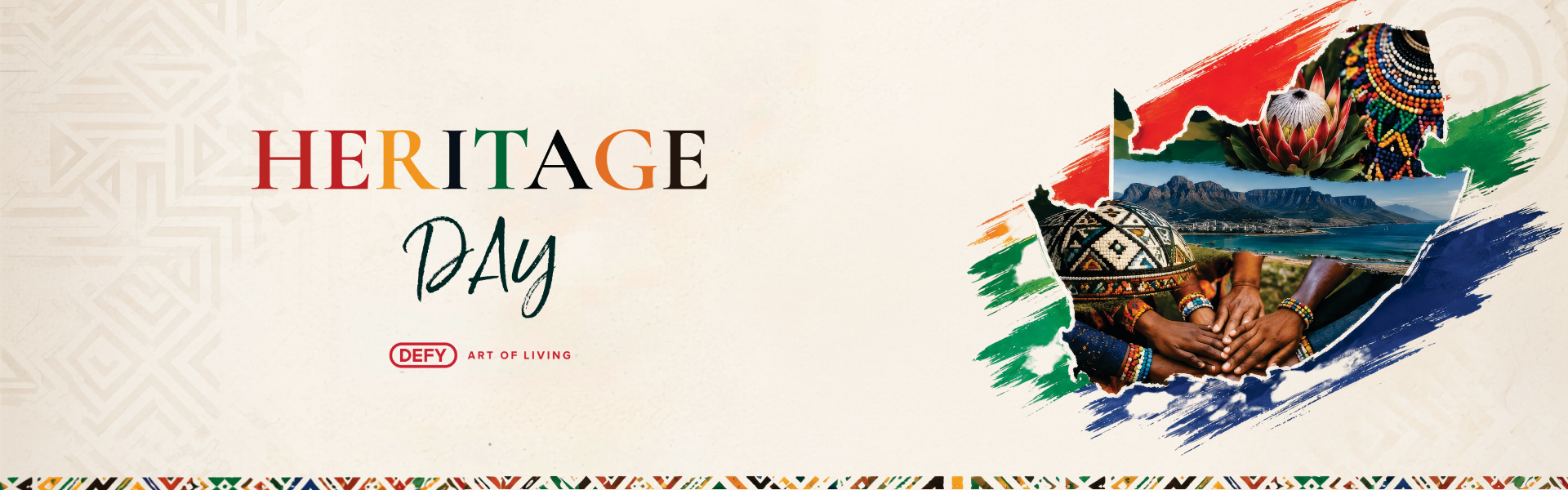
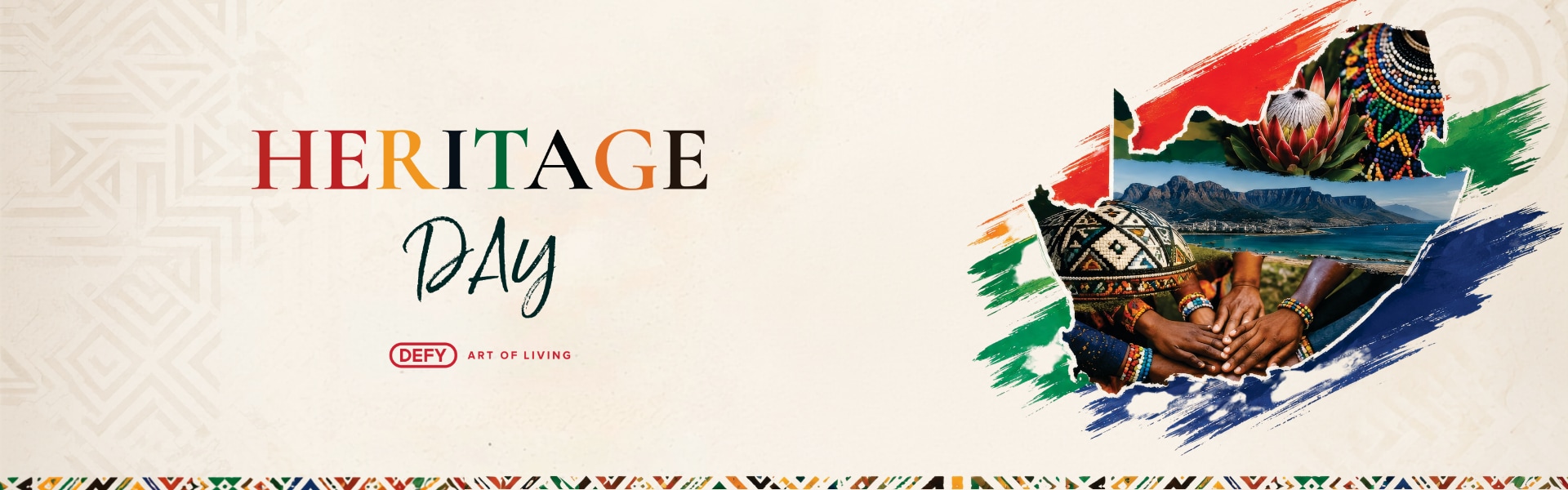
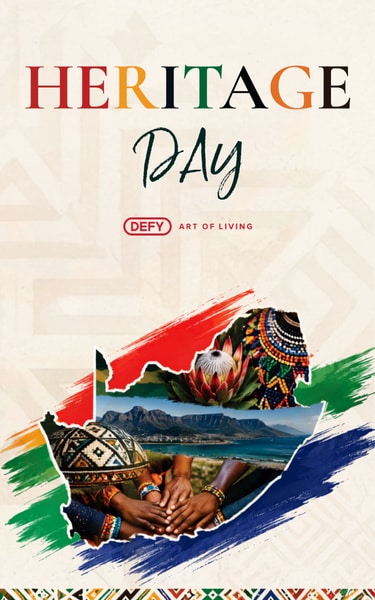
Heritage Day: 5 Fun Ways to Celebrate South Africa's Most Delicious Public Holiday
Every year on 24 September, South Africa does something few countries manage. It takes a day off to celebrate everyone at once. The Zulu grandmother, the Cape Malay aunty with the bobotie recipe she won't share, the Afrikaans oom guarding the fire and the Durban family who will argue about bunny chow until the sun goes down all get the same day.
In 2026, Heritage Day lands on a Thursday. Whether you take Friday off is between you and your manager. What you do on the day itself is where we can help.
Why do we celebrate Heritage Day?
Heritage Day is a day for South Africans to celebrate the cultures, languages, traditions and histories that make up the country. The idea is simple. You don't have to share a background with someone to take pride in it being part of the same country as you.
South Africa has 12 official languages. South African Sign Language became the twelfth in 2023. Behind each of those languages sit whole worlds of food, music, dress, ceremony and storytelling. Heritage Day is the one day in the calendar set aside for all of it.
A brief backstory
Before 1994, KwaZulu-Natal knew 24 September as Shaka Day. It honoured King Shaka kaSenzangakhona, who united the Zulu clans into a powerful nation in the early 1800s.
When the new democratic government drew up its list of public holidays in 1995, it left the date off. The Inkatha Freedom Party objected. The compromise was a good one. The day stayed, but it was expanded to celebrate the heritage of every South African. It was first observed as Heritage Day in 1996.
About a decade later, a campaign began to call it National Braai Day, arguing that fire is something almost every South African culture has in common. Archbishop Desmond Tutu joined as a patron, which made it hard to argue against. Plenty of people still say the day is about far more than meat on a grid, and they're right. Still, if you've ever seen a South African stand near a braai, you'll understand why the name caught on.
A quick look at the cultures behind the day
South Africa's heritage is layered, like a well-built potjie, and no one has ever captured it all in a paragraph. Here are a few threads:
Nguni cultures, including isiZulu, isiXhosa, siSwati and isiNdebele speakers, are known for beadwork, praise poetry, and dishes like umngqusho (samp and beans), which was famously Nelson Mandela's favourite meal.
Sotho-Tswana cultures, including the Basotho, Batswana and Bapedi, bring the Basotho blanket, rich oral traditions and hearty staples like pap with mogodu.
Venda and Tsonga cultures are known for vivid traditional dress, drumming and the Venda python dance (domba), plus dishes built around mopane, maize and groundnuts.
Afrikaner heritage gave us boerewors, potbrood, melktert, and the Sunday lunch that lasts until dinner.
Cape Malay heritage brought bobotie, bredies, koeksisters and the colourful streets of the Bo-Kaap.
Indian South African heritage, especially strong in Durban, brought curries, samoosas and the bunny chow.
English, Portuguese, Chinese, Jewish, Greek and many other communities have woven their own recipes, festivals and family traditions into everyday South African life.
Most South African families don't fit into just one of those boxes, and that's rather the point.
5 fun things to do this Heritage Day
1. Have a bring-and-braai
The classic, and a classic for a reason. You provide the fire, the space and the tongs. Everyone else brings their own meat and a side to share. The host doesn't go broke, and nobody goes hungry.
Make it work:
Settle the fire question early. Wood or charcoal? Pick one and announce it in the group chat. It saves a 40-minute debate at the grid.
Assign the sides loosely. Give people categories like salads, starch or dessert. If you don't, you'll end up with seven potato salads and no bread rolls.
Prep the day before. Marinate your meat overnight and make sure there's enough fridge space for everyone's contributions. Nothing ruins a braai quite like warm drinks and a cooler box doing a fridge's job. If yours is groaning under the weight of every family gathering, it might be time to look at a bigger fridge.
Give the braai master a helper. Make it a younger family member. That's how braai knowledge gets passed down, which is heritage in its purest form.
2. Run a potjiekos cooking contest
If a braai is a sprint, a potjie is a marathon, and it's much more fun with competition. A potjie is a slow-cooked stew made in a three-legged cast-iron pot over coals. It's layered, not stirred. (Stirring a potjie in front of a purist is a good way to lose a friendship.)
How to run it:
Form teams of two or three, each with their own pot and fire.
Set a start time and a cut-off. Three to four hours is about right.
Keep the rules simple. No stirring after the liquid goes in, and everything must cook on the fire.
Choose judges who don't cook. Score on flavour, tenderness and presentation, and add a bonus point for a family recipe with a story behind it.
Offer a prize worth the effort. A trophy made from an old pot lid, bragging rights for a year, or first choice of leftovers.
Weather turned on you? Spring loves a surprise storm. A potjie-style stew adapts well indoors on a gas stove, which gives you the same low, controllable heat without anyone standing outside in the rain. Cast iron works on gas hobs too, so the pot can come inside with you.
3. Visit a local heritage site and share it
South Africa has world-class heritage sites, and most of us have driven past at least one without ever going in. Heritage Day is the excuse you need.
A few worth the trip, by province:
Gauteng: Constitution Hill, the Apartheid Museum, Vilakazi Street in Soweto, and the Cradle of Humankind
Western Cape: Robben Island, the District Six Museum and the Bo-Kaap
KwaZulu-Natal: the Nelson Mandela Capture Site near Howick, and the uKhahlamba-Drakensberg rock art sites
Limpopo: Mapungubwe National Park, home of the famous golden rhino
Eastern Cape: the Nelson Mandela Museum in Mthatha and Qunu
Then share it. Post a photo and tell people one thing you learned that you didn't know before. Tag the site and use #HeritageDay. It's a small act, but it gets friends and family curious enough to visit themselves. Many sites also run special Heritage Day programmes, so check their pages before you go.
Tip: Popular sites like Robben Island book out fast around public holidays. Reserve tickets well in advance.
4. Throw a "dress your heritage" party
Ask guests to come dressed in something that reflects their heritage. That could be traditional attire, a Basotho blanket, a family heirloom, a sports jersey or a vintage outfit that belonged to a grandparent.
Keep it meaningful:
Make storytelling part of the night. Give each guest a minute to share what they're wearing and why it matters to them. You'll learn more about your friends in an hour than in a year of catching up.
Welcome mixed heritage. Plenty of South Africans come from more than one culture. Encourage guests to combine them rather than choose.
Wear your own heritage, not someone else's. The idea is to celebrate where you come from, not to borrow another culture's dress as a costume.
Build the playlist together. Ask everyone to add one song that reminds them of home, whether that's maskandi, amapiano, boeremusiek, Cape jazz or kwaito.
5. Host a heritage dish potluck
This one might beat the braai. Every guest brings a dish from their family's heritage, ideally one with a story ("my gogo made this every Christmas" counts). The result is a table that looks like South Africa on a plate.
What might turn up:
Bobotie with yellow rice
Umngqusho (samp and beans)
Chakalaka and pap
Durban chicken curry, or a proper bunny chow
Dombolo (steamed dumplings)
Vetkoek with mince
Peri-peri chicken
Malva pudding or koeksisters for dessert
Make it work:
Ask for recipe cards. Have guests write theirs out and put it next to the dish. Photograph them all afterwards and share a digital "Heritage Day cookbook" with everyone. It's a surprisingly lovely keepsake.
Sort out the reheating plan. Twelve dishes and one oven is a logistics problem. A microwave handles quick reheats while the oven keeps the bakes warm.
Plan the clean-up. A potluck produces an impressive number of dirty dishes. Future you will be grateful for a dishwasher.
Frequently asked questions
When is Heritage Day in 2026?
Heritage Day is on Thursday, 24 September 2026. It's a public holiday across South Africa.
Why is Heritage Day celebrated on 24 September?
The date was originally Shaka Day in KwaZulu-Natal, honouring King Shaka. In the mid-1990s, it remained a public holiday but was broadened to celebrate the heritage of all South Africans. It was first observed as Heritage Day in 1996.
Is Heritage Day the same as National Braai Day?
Not officially. The Braai Day campaign began in the mid-2000s to promote braaiing as a tradition shared across cultures. Many people use both names, but the public holiday is Heritage Day.
What are some easy ways to celebrate Heritage Day at home?
Host a bring-and-braai, cook a family recipe, hold a heritage dish potluck, or ask older relatives to share stories about where your family comes from. Simple works best.
