


Load shedding hits at the worst possible moment, usually mid-meal. Electricity costs are rising, and a stove that runs on one fuel source leaves you with no backup plan. A gas and electric stove combo, also called a dual-fuel stove, solves both problems in one appliance.
Here is what you need to know before buying one:
- What a dual-fuel stove is and how it works
- Why South Africans are switching to gas-electric combinations
- Key benefits, buying tips, and popular local options
- A comparison of gas, electric, and dual-fuel stoves
What Is a Gas and Electric Stove Combo?
A gas and electric stove combo is a freestanding cooker that pairs a gas hob with an electric oven. The gas hob sits on top, while the electric oven handles the baking and roasting below. This pairing, known as a dual-fuel stove, combines the heat-control strengths of gas cooking with the consistent, even performance of an electric oven.
The configuration is always gas on top and electric below. Reversing the two fuel sources is not standard, and for good reason: gas ovens and electric hobs each carry trade-offs that make the dual-fuel layout the more practical choice.
Why Are South Africans Choosing Dual Fuel Stoves?
South Africans are choosing dual-fuel stoves primarily because of load shedding and rising electricity tariffs. A dual fuel stove keeps the gas hob operational when the power goes off, so cooking does not have to stop. Combined with lower gas costs for stovetop use, households get both reliability and reduced monthly electricity consumption.
South Africa's load shedding schedule has pushed many households to rethink their kitchen setup. An appliance that depends entirely on Eskom's grid is a liability during scheduled outages. A gas and electric stove combo removes that dependency for the hob, where most active, time-sensitive cooking happens.
What Are the Key Benefits of a Gas and Electric Stove Combo?
The main benefits are better heat control on the hob, more even baking in the oven, load shedding resilience, and lower electricity use. Together, these advantages make the dual fuel format one of the most practical choices for South African households.
Does a Gas Hob Give Better Cooking Control?
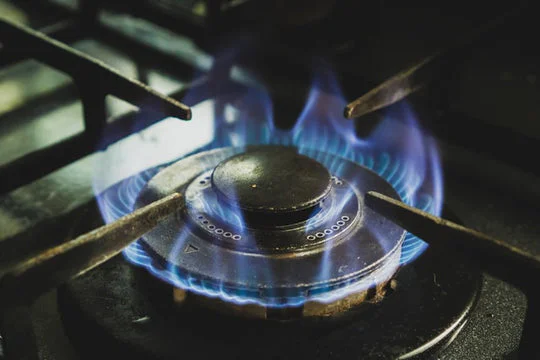
Yes. Gas responds instantly to temperature changes, giving you precise control over your flame. Turn it down and the heat drops immediately, which is especially useful when managing delicate sauces or preventing a pot from boiling over.
Electric hobs, by contrast, retain heat after the setting is reduced. This lag makes precise temperature management harder, particularly at high heat or when you need to react quickly.
Do Electric Ovens Bake More Evenly?
Electric ovens distribute heat consistently throughout the cavity, which produces reliable baking results. Most people are comfortable using an electric oven because the temperature settings behave predictably and the dry heat promotes browning and crispiness.
Gas ovens, by comparison, tend to have hot spots because heat rises from a single source at the base. They also retain more moisture from combustion, which can affect the texture of roasted and baked dishes.
Does a Dual Fuel Stove Work During Load Shedding?
The gas hob continues working during load shedding as long as the gas supply is active. The electric oven will not function without power, but the hob remains available for boiling, frying, and stovetop cooking.
This partial independence is enough to keep most meals on track during a two- or four-hour outage. It also means you can boil water for a cup of coffee while the lights are off.
Is a Dual-Fuel Stove More Energy Efficient?
Gas burns more efficiently than electricity for stovetop cooking, so using a gas hob for daily tasks reduces the amount of electricity your kitchen consumes. Over time, this can contribute to lower utility bills.
Gas pricing in South Africa is generally more stable than Eskom tariffs, which have increased significantly over recent years. Using gas for the hob and electricity only for the oven gives households more control over their energy spend.
Gas vs Electric vs Dual Fuel: What Is the Difference?
| Feature | Gas Stove | Electric Stove | Dual Fuel Stove |
|---|---|---|---|
| Works during load shedding | Yes | No | Yes (hob only) |
| Heat control | High | Moderate | High |
| Baking performance | Moderate | High | High |
| Energy flexibility | Low | Low | High |
| Suitable for South African conditions | Yes | Limited | Yes |
A purely gas stove requires a gas oven, which takes more skill to manage. A purely electric stove is fully dependent on grid power. The dual-fuel stove sits in the middle, using each fuel source where it performs best.
What Should You Look for When Buying a Gas-Electric Stove?
Does Size and Capacity Matter?
Yes. Oven capacity directly affects what you can cook and how much at one time. A 60-litre oven suits smaller households. Larger families or those who cook in bulk will benefit from a 90-litre or larger capacity. Check the hob layout too: four burners suit most households, while five or six burners give professional-style flexibility.
What Safety Features Are Important?
Look for a flame failure device (FFD) on the gas hob. This automatically cuts the gas supply if the flame is accidentally extinguished, preventing gas from leaking into the kitchen. Electric ignition is safer and more convenient than manual ignition.
How Does Design Affect Durability?
Cast iron pan supports are more durable and stable than pressed steel alternatives. Stainless steel finishes are easier to clean and more resistant to heat damage over time. A utility drawer or storage compartment is a practical addition in smaller kitchens.
Popular Gas and Electric Stove Options in South Africa
Dual fuel stoves are widely available in South Africa and suited to different household sizes and cooking styles. Freestanding cookers in this category typically offer between four and six gas burners on the hob, paired with a multifunction electric oven.
One example in this category is the Defy New York Multifunction Range Cooker, which includes five gas burners (including a wok burner with twin flame), a multifunction fan-assisted oven, flame-failure safety devices, cast iron pan supports, and a 98-litre oven capacity. It suits households that cook regularly and want professional-level hob performance.
For smaller kitchens, the Defy 600 Series Gas Electric Stove offers four gas burners and a 66-litre multifunction electric oven. It is a compact option that retains all the practical benefits of dual fuelling without taking up more space than a standard freestanding cooker.
Both models are available through the Defy freestanding cooker range.
FAQs About Gas and Electric Stoves
What is a gas and electric stove combo?
A gas and electric stove combo is a freestanding cooker that uses a gas hob for stovetop cooking and an electric oven for baking and roasting. Also called a dual fuel stove, it combines the heat-control advantages of gas with the even, consistent performance of an electric oven.
Can you use a gas stove during load shedding?
Yes. The gas hob on a dual fuel stove continues to operate during power outages as long as the gas supply is connected. The electric oven will not work without power, but the hob remains fully functional for stovetop cooking.
Is gas cheaper than electricity in South Africa?
In most cases, gas is more cost-effective than electricity for stovetop cooking in South Africa. Eskom tariffs have increased substantially in recent years, while LPG (liquefied petroleum gas) pricing has remained comparatively more stable for everyday household use.
Which is better: a gas or electric oven?
Electric ovens are generally easier to use and produce more consistent baking results. Gas ovens can create hot spots and retain more moisture, which affects texture. For South African home cooks, an electric oven paired with a gas hob offers the best practical balance.
Are dual-fuel stoves safe?
Yes, when used correctly. Look for models with a flame failure device, which cuts the gas supply automatically if the flame goes out. Follow manufacturer installation guidelines and have your gas connection checked by a registered installer.
Is a Dual-Fuel Stove Right for You?
Load shedding and rising electricity costs are not short-term problems in South Africa. A gas and electric stove combo addresses both directly: the gas hob keeps working during outages, and daily reliance on grid electricity for stovetop cooking is reduced. The electric oven continues to deliver the consistent baking performance most home cooks rely on.
Dual-fuel stoves are a practical kitchen category with options at different price points and sizes. Defy offers a range of freestanding cookers in this format if you want to compare models and specifications.
